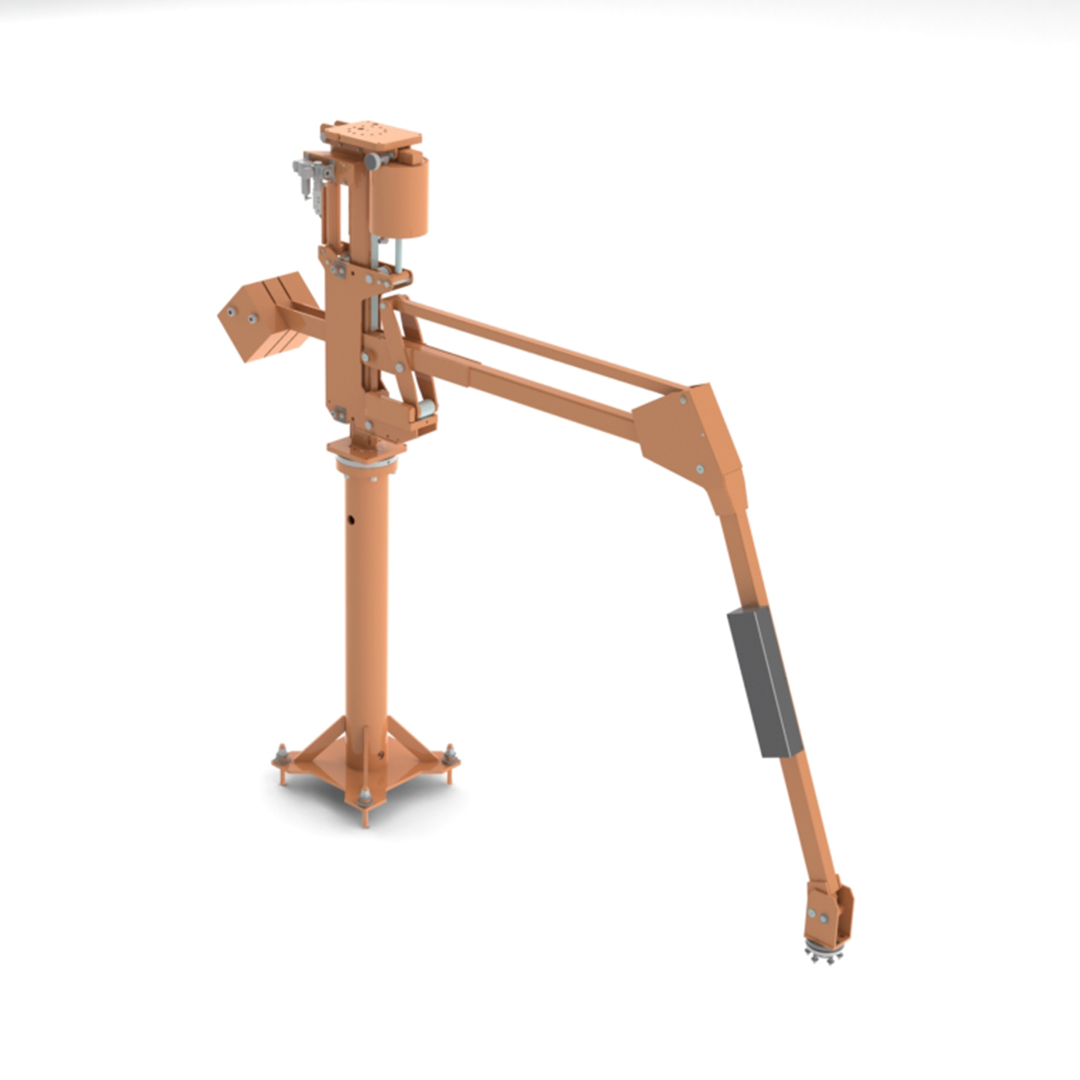
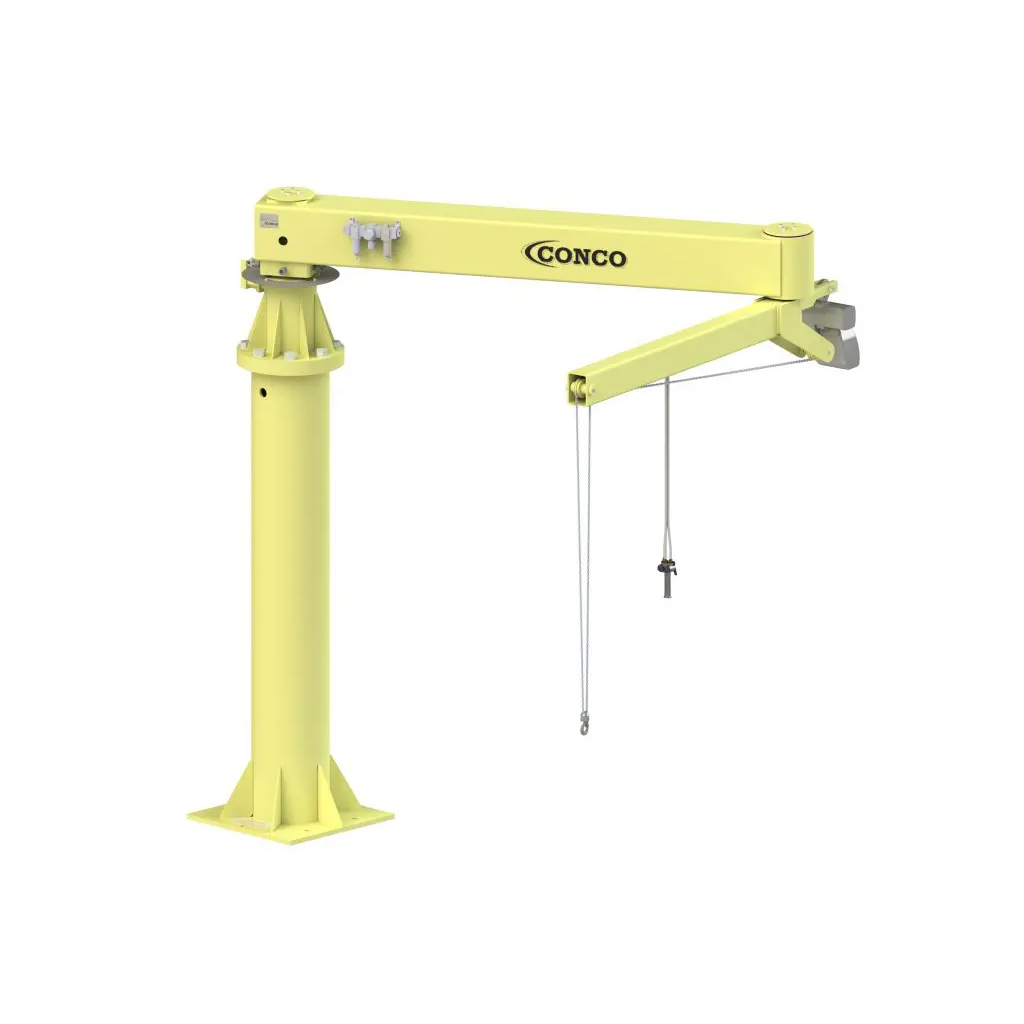
Our Conco line of products feature standard products with quick leadtimes that will get your operation up and running as quickly and efficiently as possible.
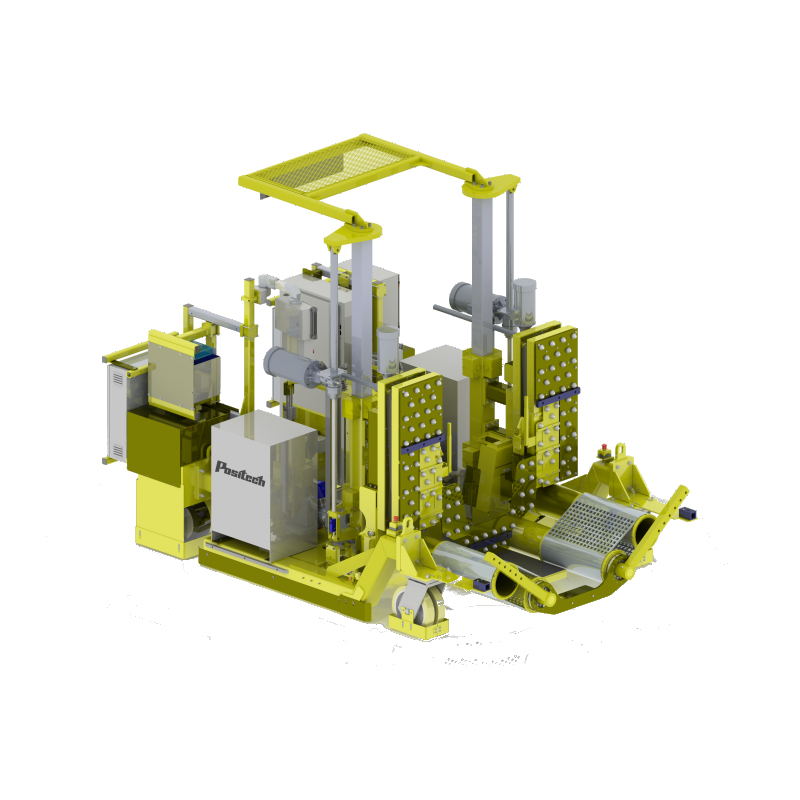
Does your application require something outside of your regular industrial manipulator? We'll work with you to custom design application solutions that will be exactly what you need.
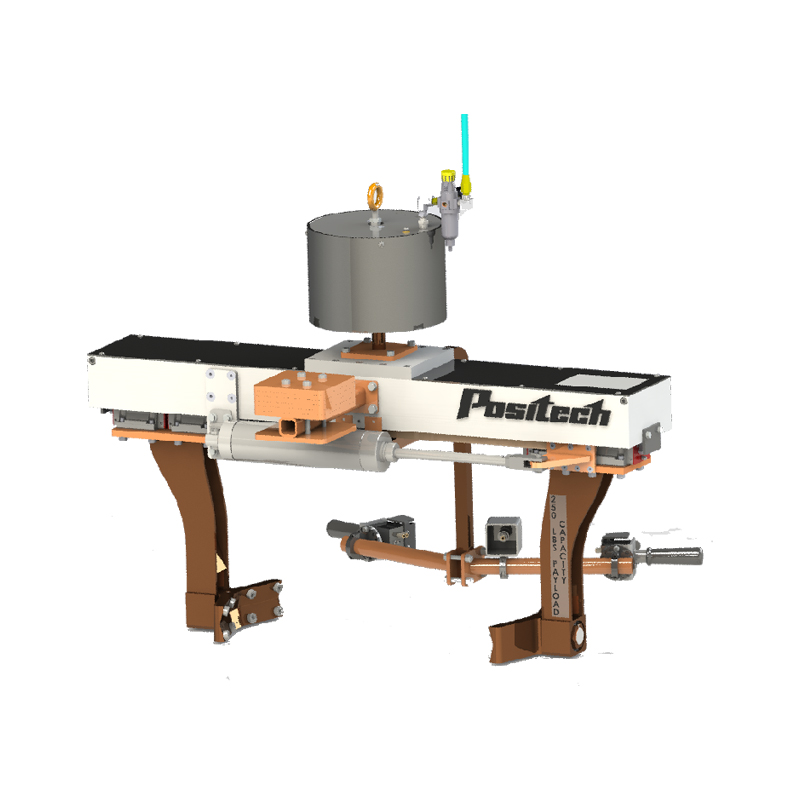
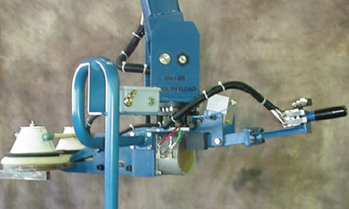
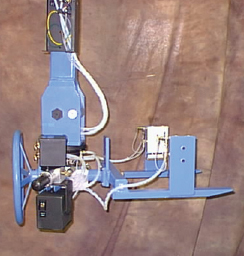
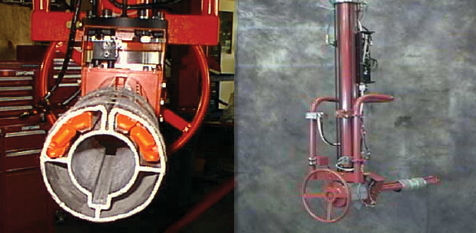
Beyond our base machines, Positech can also custom design end-effector tooling that will meet your part and operator needs. Tooling can include specialized pneumatic, electric, and hydraulic circuitry.
With nearly 40 years of experience, we can meet with your project team on-site at your facility (engineering, quality control, safety, production, and operators) to clearly define the application and the expected productive output of the project.
Installation Services
Positech can supply supervised installation (turnkey or partnership) with local contracted installation personnel or your internal maintenance personnel to assure a safe, efficient installation.
Integration Services
Positech can source and supply entire work cell solutions that may include lift assists, lift tables, conveyors, overhead rails, carts, fixtures, and other ergonomic solutions for a total project solution.
Operator and Maintenance Personnel Training
After a new piece of equipment or process is installed in your facility, it is very important that the operators, production people and maintenance personnel are trained to operate and maintain this installation safely and efficiently.
Planning & Layout Design
Positech can supply 2D and/or 3D layouts and profiles of the existing area and the product flow and production enhancement of the completed project.
Long-Term Service Support
Positech has 24-hour phone support, preventative maintenance services and spare parts support for the life of the equipment.
Pins are transferred in and out of machining centers, each with its own clearance problems dictating where the pin can be gripped. Customer’s machine operators are apprehensive concerning manipulators. End-effector must be lightweight, simplistic, operator-friendly and safe to use.
The cart has several shelves filled with electrical connectors. The application requires that the parts do not come in contact with each other as the cart is transferred in and out of the heat treat process.
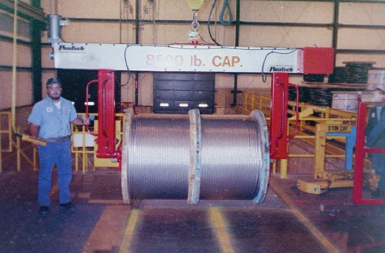
The procedure is to put a lifting bar through the reels’ axle hold and lift with a pair of slings on a spreader bar. This requires the operator to lift a heavy steel bar and push it through both reels exposing them to both lifting and twisting injuries.
Grip point is at the middle of the length, across the width of the bra. Pattern width extends over the grip point 5″ on the current product, 10.5″ on the future product. At grip point pattern, clearance is reduced to2 “. Bras (supported plates) must be picked up off a table with a 1” stand-off clearance. Wax pattern out of mold machine is unstable and requires gentle placement on cart.
Existing hydraulic manipulator was not as effective at placing bars on the paint line hanger as a pneumatic manipulator would be. The “float” capability of a pneumatic manipulator and ease of maintenance convinced the customer to replace their hydraulic manipulator.
The Differentials are not large, but are heavy and hot. While there is only one size of Differential, the operator must reach into the mold to extract the part and manually rotate it.
Safe3ly pitch heavy glass panels varying in size, weighing up to 150 lbs. up to 110°, from vertical to horizontal and rotate through the pitched horizontal axis to line up holes for installation.
The spools have an inner and outer wall between them, which an end-effector could be inserted. However, the opening between the spool walls is curved and has spokes that create four quadrants and only a 3/4″ height into which an end-effector can be inserted. In addition to supporting the weight of the spool, the end-effector must slider the spool off the spindle.